Patience Tattoo Ideas — 40+ designs

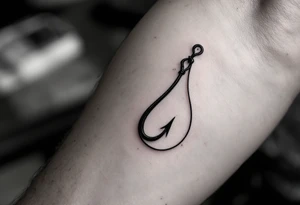
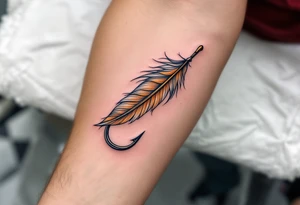
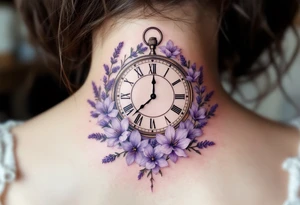
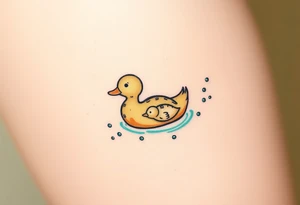
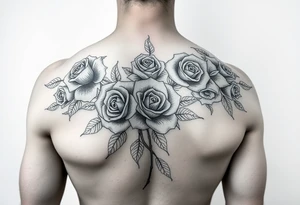
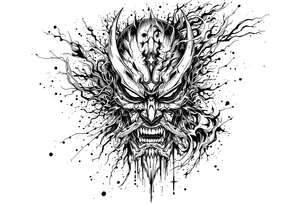
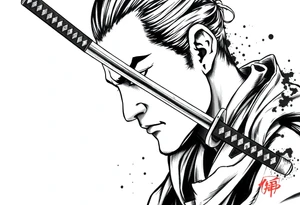
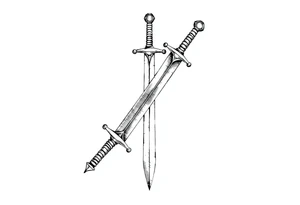
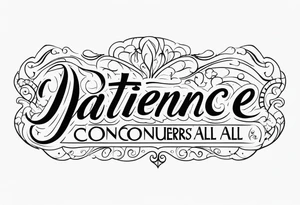
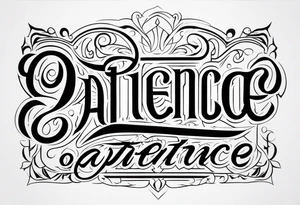
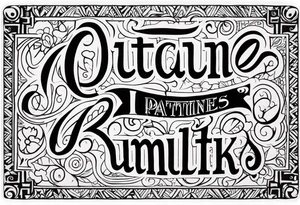
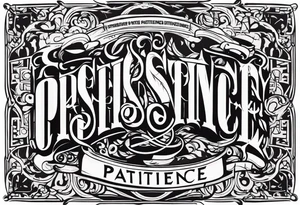
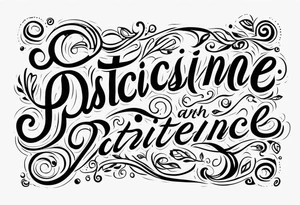
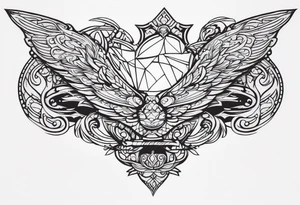
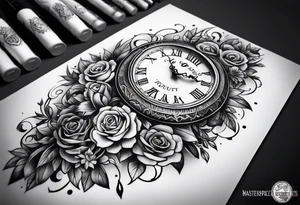
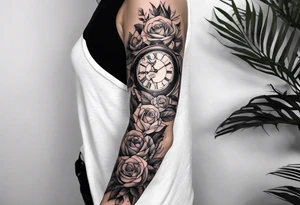
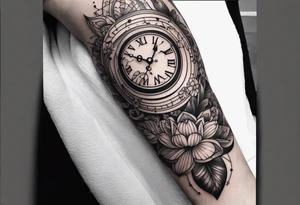
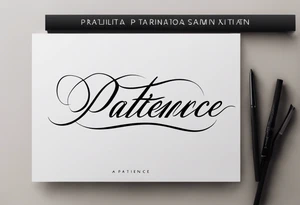
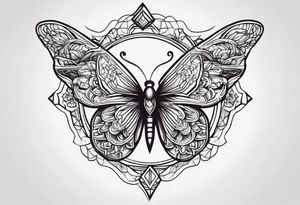
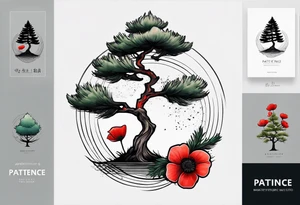
A tattoo of the keyword "patience" can symbolize the ability to endure and remain calm in challenging situations. It can represent inner strength, resilience, and the willingness to wait for the right moment. Patience tattoos may also signify the importance of taking things slow and the appreciation of the journey rather than just focusing on the destination. Additionally, this tattoo can serve as a reminder to have patience with oneself and others, promoting empathy and understanding. Suitable locations for a patience tattoo could include the inner forearm, as it can be easily seen and serves as a constant reminder, or the back of the neck, symbolizing the patience to carry the weight of challenges with grace and composure. Below you will find a collection of patience tattoo design ideas for you to browse and get inspired by.

Join 9,635 happy customers.

Deeper Layers of Meaning

Beyond calm endurance, patience carries a harder edge that people often want marked on the body: the discipline of not acting. For someone in recovery, patience is the pause before the relapse. For someone grieving, it is the acceptance that healing has no schedule. For someone building something slowly — a career, a body, a family — it is trust that unseen work counts. Many wearers choose it after a period when impatience cost them something, so the tattoo reads less like a virtue on display and more like a correction. It can also be quietly defiant in a culture built on speed, a refusal to rush a life that is already moving.

Where the Idea Comes From

Patience is praised across most major traditions, though the emphasis shifts. In Christianity it appears among the fruits of the Spirit and in the endurance of suffering. In Islam, sabr is a central virtue, often understood as steadfastness through hardship while trusting divine timing. Buddhist teaching treats patience (khanti) as one of the perfections, closely tied to non-reactivity and to meeting anger without adding to it. Stoic writing frames it as accepting what is outside your control. Secular readings drop the theology and keep the practice. If your reason is rooted in one specific tradition, it is worth reflecting that in the wording or script rather than borrowing imagery from another faith by accident.
How It Gets Rendered

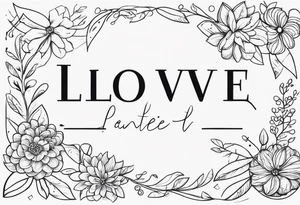
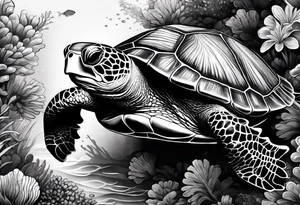
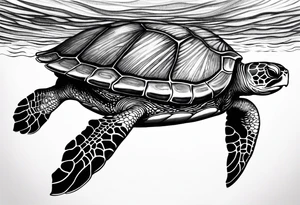
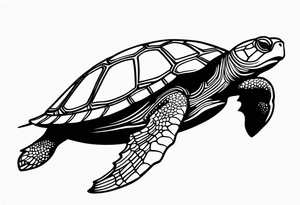
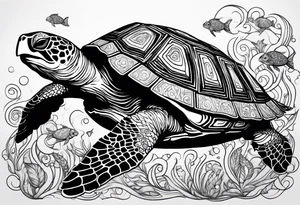
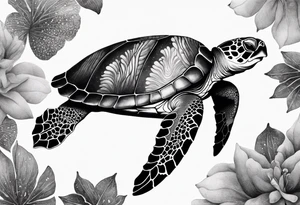
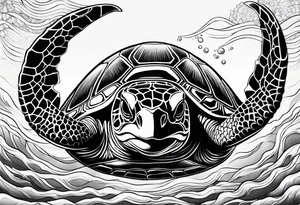
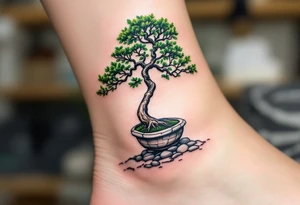
The most common approach is simply the word — fine-line script, typewriter lettering, or a single-stroke signature style — because the message is verbal to begin with. Symbolic alternatives include the hourglass, the seed or sprout, the slow-moving snail or tortoise, the spider and its web, the moon in phases, a tree's rings, and the anchor holding steady. Some pair the word with a small motif so it works on two levels. Placement changes the tone: inner forearm and wrist make it a reminder you read yourself, while ribs, spine, or the back of the neck keep it private. Long thin lettering suits the forearm, spine, or collarbone; compact symbols suit the ankle or behind the ear.

Patience tattoos — common questions

Should I get the word or a symbol?

Words are unmistakable and need no explanation, which suits a tattoo meant as a daily reminder. Symbols like the hourglass, seed, or tortoise stay personal and age well visually. If you want both, a small motif beside short lettering usually reads better than crowding the word with detail.

Does patience mean the same thing in every tradition?

The core idea of steadfast endurance is shared, but the framing differs. Sabr in Islam and khanti in Buddhism both stress non-reactivity, while Christian patience is often tied to hope and suffering, and Stoicism to accepting what you cannot control. Choose the framing that actually matches your reason.

What language should the word be in?

English keeps the meaning clear to everyone who sees it. Latin, Arabic, Sanskrit, or Japanese can carry more weight if you have a genuine connection to that language or tradition. If you do use a script you don't read, have a fluent speaker verify the spelling and form before the needle touches skin.